Reproductive Healthcare Disparities in Marginalized Communities: Causes and Paths to Equity
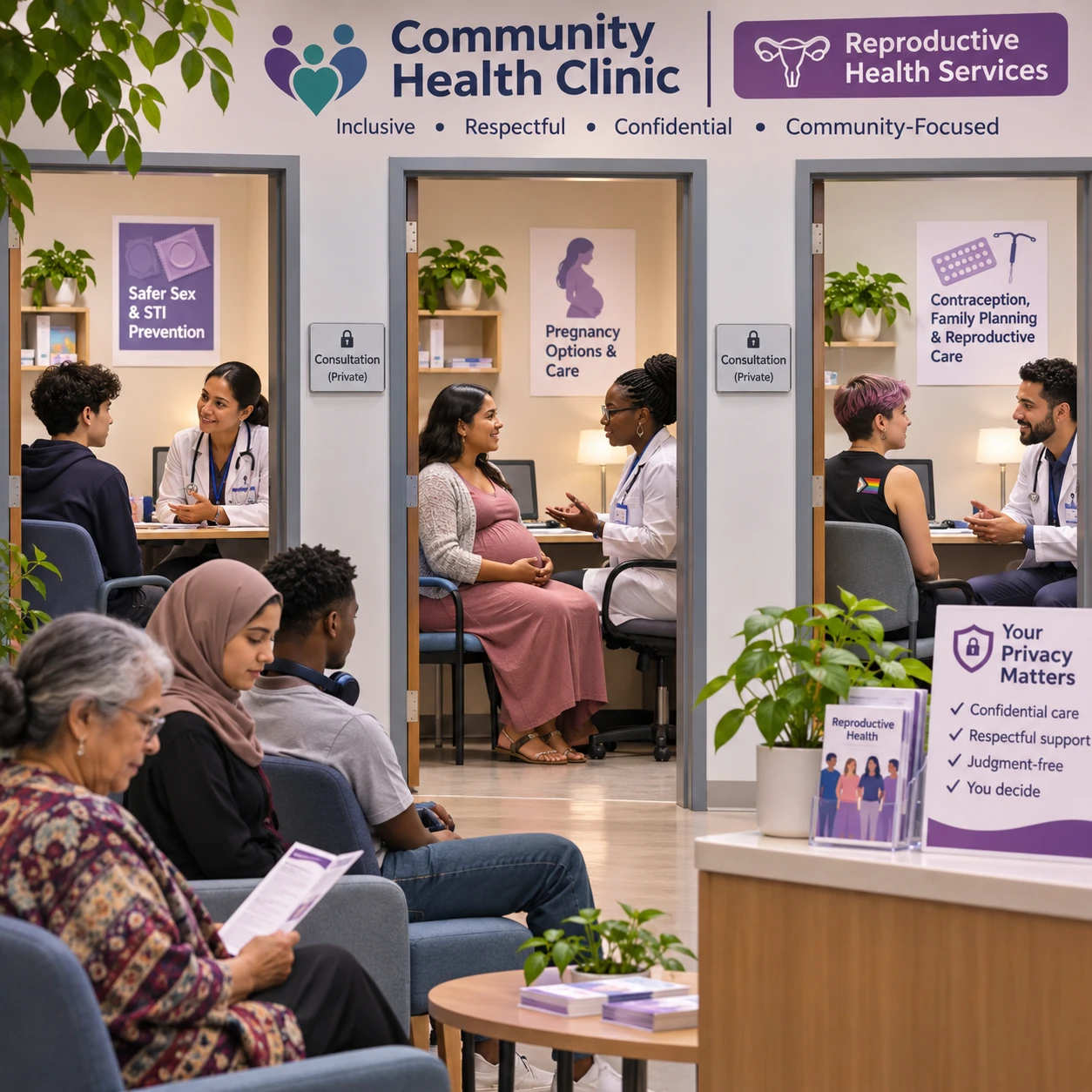
Reproductive healthcare disparities affect whether people can obtain timely, affordable, respectful care and make decisions about their bodies and futures. These differences are shaped by laws, costs, geography, discrimination, and the quality of available services—not simply by individual choices.
What reproductive healthcare disparities look like
Reproductive healthcare disparities are avoidable differences in access, quality, or health outcomes that fall more heavily on some groups than others. They can appear across the full range of care, including contraception, fertility services, pregnancy and postpartum care, abortion care, and prevention or treatment of reproductive health conditions.
Access is more than whether a clinic exists nearby. A person may be able to book an appointment yet face unaffordable fees, inaccessible facilities, long waits, limited language support, or a provider who dismisses their concerns. Quality matters too: patients need accurate information, informed consent, privacy, and the freedom to accept or decline care.
These gaps are closely linked to health equity and reproductive rights. Equity means addressing the conditions that prevent people from getting care, while reproductive rights include the ability to make informed decisions about whether and when to have children. A service that is technically available but financially or practically out of reach does not provide meaningful access.
Communities facing unequal barriers
Unequal barriers affect communities in different ways, and no group has a single experience. Race, income, disability, location, gender identity, and immigration status can each shape the care someone can find and how they are treated.
Black, Indigenous, and other people of color may encounter provider bias and the effects of structural racism in clinical settings and health systems. These forces can influence whether pain is taken seriously, whether concerns are addressed, and whether patients receive clear, respectful options. Maternal health is a particularly important concern: respectful prenatal, birth, and postpartum care requires listening to patients and responding promptly to their needs.
Low-income patients may have to weigh medical costs against rent, food, transportation, or childcare. Rural residents can face long distances to clinics and fewer local specialists. Disabled people may encounter inaccessible examination equipment, communication barriers, or assumptions about their sexuality and parenting goals.
LGBTQ+ people, including transgender and nonbinary patients, may struggle to find providers knowledgeable about their needs. Immigration status can add concerns about cost, language access, confidentiality, or the consequences of seeking services. These factors can overlap; someone may experience several barriers at once, but their effect varies by person and circumstance.
Structural causes of unequal access
Reproductive healthcare disparities grow from connected barriers: restrictive or confusing policies, high costs, limited provider availability, discrimination, and historical inequities. Removing one barrier can help, but it may not be enough if the others remain.
Policy and cost shape which services people can obtain, where, and when. Insurance coverage may be limited, and out-of-pocket expenses can make contraception, fertility care, or abortion care unaffordable. Laws and regulations can also affect which providers offer services and how quickly patients can receive them. The details vary by location and may change, so people should consult current local health departments or legal aid organizations for location-specific guidance.
Provider shortages create another obstacle. A community may lack obstetric services, contraception counseling, abortion providers, or clinicians trained in LGBTQ+ healthcare. Distance, appointment delays, transportation, and time away from work turn that shortage into a practical barrier.
Provider bias and structural racism can affect both access and the care delivered after a patient arrives. A history of coercive policies and mistreatment has also contributed to mistrust in some communities. Addressing that context requires more than urging patients to seek care: institutions must examine how their policies, practices, and clinical interactions affect people differently.
How disparities affect health and autonomy
When reproductive healthcare is delayed, unaffordable, or disrespectful, people may have fewer safe and realistic options. The effects can reach physical health, emotional wellbeing, family life, and the ability to make informed reproductive decisions.
A long wait for prenatal care or a specialist can postpone evaluation of a health concern. Difficulty obtaining contraception can make it harder to plan whether or when to become pregnant. Limited access to abortion care can narrow a person’s choices and increase the practical, financial, and emotional strain of seeking care. These outcomes are not inevitable, and they should not be attributed to personal failure when systemic barriers are driving the delay.
Autonomy depends on trustworthy information and a genuine ability to choose. Patients need to understand benefits, risks, and alternatives in language they can use, with time to ask questions and decide. Care that pressures someone toward a particular outcome undermines autonomy, even if a service is available.
For a clear overview of maternal health disparities and related U.S. data, the Centers for Disease Control and Prevention provides public health resources. Data can reveal patterns, but it cannot describe every person’s circumstances; communities should help interpret findings and shape responses.
What equitable reproductive healthcare requires
Equitable reproductive healthcare combines practical access with respectful, high-quality care. People need services they can reach and afford, providers who listen, and the freedom to make decisions without coercion or discrimination.
A useful way to assess a service is to ask three questions: Can people reach it? Can they afford it, travel to it, communicate with staff, and use the facility? Are they respected? Are privacy, informed consent, accessibility, and cultural and linguistic needs addressed? Can they choose? Do they receive accurate information and have control over whether to accept a treatment?
In practice, more equitable care can include:
- Affordable contraception, pregnancy care, postpartum support, abortion care, and reproductive health services.
- Accessible clinics, interpretation, disability accommodations, and appointment options that account for work and caregiving schedules.
- Culturally responsive providers trained to recognize and reduce bias, including in LGBTQ+ healthcare.
- Clear explanations of costs, treatment options, risks, and alternatives, followed by meaningful informed consent.
- Confidential care and policies that protect patient autonomy and minimize unnecessary barriers.
Training can help clinicians improve communication, but it cannot substitute for changes to staffing, access, and institutional policy. Likewise, telehealth may reduce travel for some services, yet it cannot replace in-person care when an examination or procedure is needed, and it depends on reliable internet, privacy, and legal availability.
How advocacy and communities can drive change
Reducing disparities requires coordinated action from policymakers, healthcare systems, providers, and community-led organizations. The strongest efforts pair changes to laws and services with accountability to the people those systems are meant to serve.
Policymakers can protect access to a broad range of reproductive health services, reduce financial barriers, and support provider capacity in underserved areas. Health systems can track who faces long waits or poor outcomes, review patient feedback, improve language and disability access, and publish whether changes are working. Data should be handled carefully and interpreted with communities, not used to stigmatize them.
Community organizations can identify gaps that formal systems overlook, connect people with trusted information, and advocate for services designed around local needs. Patient navigators and community health workers may help people understand options, arrange referrals, or find transportation and financial assistance. These efforts matter, though they should complement adequately funded clinical care rather than become a substitute for it.
People seeking to support reproductive rights can ask local clinics about accessible services, learn which organizations provide confidential support, and advocate for policies that protect patient choice. Progress is best measured by whether people can obtain care when they need it, understand their options, and make decisions without discrimination or pressure.
Frequently asked questions
Reproductive healthcare disparities describe unequal access, treatment, or outcomes; the communities affected and the barriers involved vary by place and individual experience.
What are reproductive healthcare disparities?
They are avoidable differences in access to or quality of reproductive health services and related outcomes. They can affect contraception, pregnancy and postpartum care, abortion care, and other services.
Which communities face barriers to reproductive healthcare?
Barriers may disproportionately affect people of color, low-income people, rural residents, disabled people, LGBTQ+ people, and people facing immigration-related or language barriers. These categories are not interchangeable, and people’s experiences differ.
How does discrimination affect reproductive healthcare?
Discrimination and provider bias can lead to disrespectful treatment, inadequate communication, or concerns that are not taken seriously. They can also discourage people from returning for care, especially when institutions fail to address complaints or build trust.
What can help improve access and equity?
Affordable services, adequate provider availability, accessible facilities, culturally responsive care, strong privacy protections, and policies that uphold patient autonomy can reduce barriers. Communities should have a meaningful role in deciding what improvements are needed and assessing whether they work.